HISTORICAL ANALYSIS OF GLOBAL CO2 EMISSIONS AND SOCIOECONOMIC FACTORS - Python × Jupyter Notebook
Project Overview
To analyze the historical data of CO2 emissions alongside GDP and population data to understand the impact of economic development on environmental health. The analysis will also explore the effectiveness of global efforts to manage carbon footprints.
Data Description
The data set spans several centuries and includes:
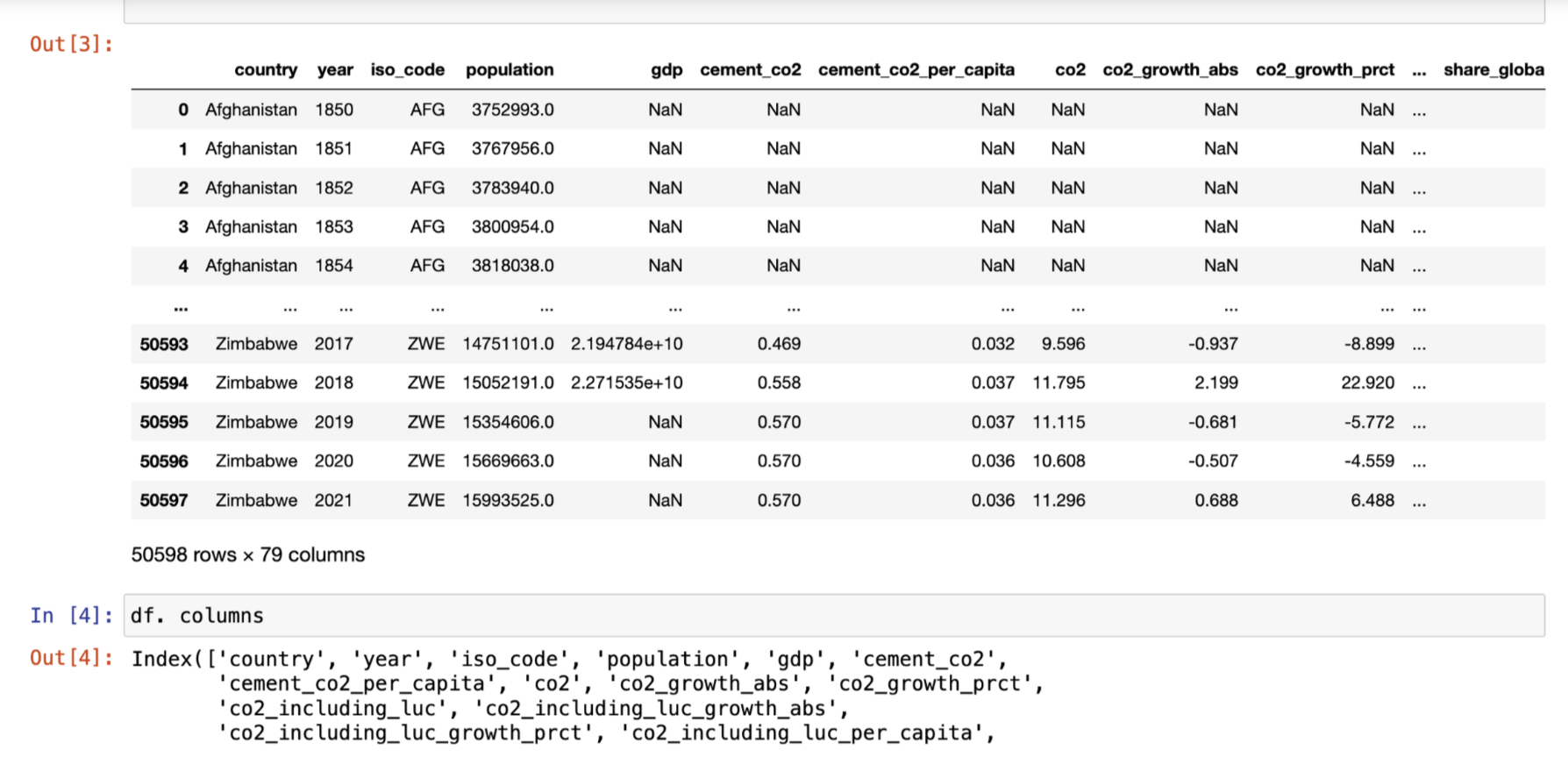
- Country-specific records, including population, GDP, and CO2 emissions.
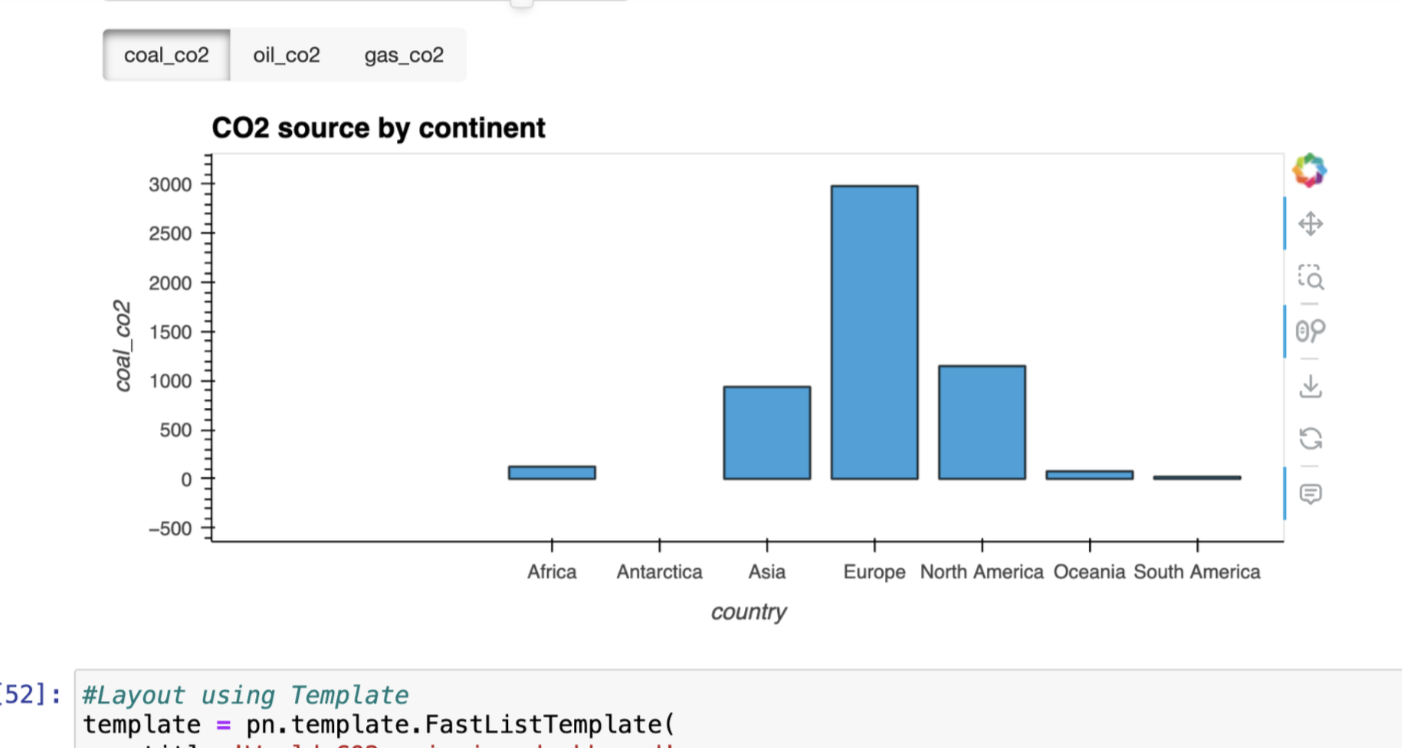
- Emissions details broken down by sources like cement manufacturing, coal, oil, and gas.
- Metrics such as CO2 growth rate, emissions per capita, and share of global emissions.
Analysis Components
1. Data Cleaning: Standardize missing values and ensure accurate data types for computational analysis.
2. Exploratory Data Analysis (EDA): Investigate the central tendencies and distributions of key variables to establish a baseline understanding of the data.
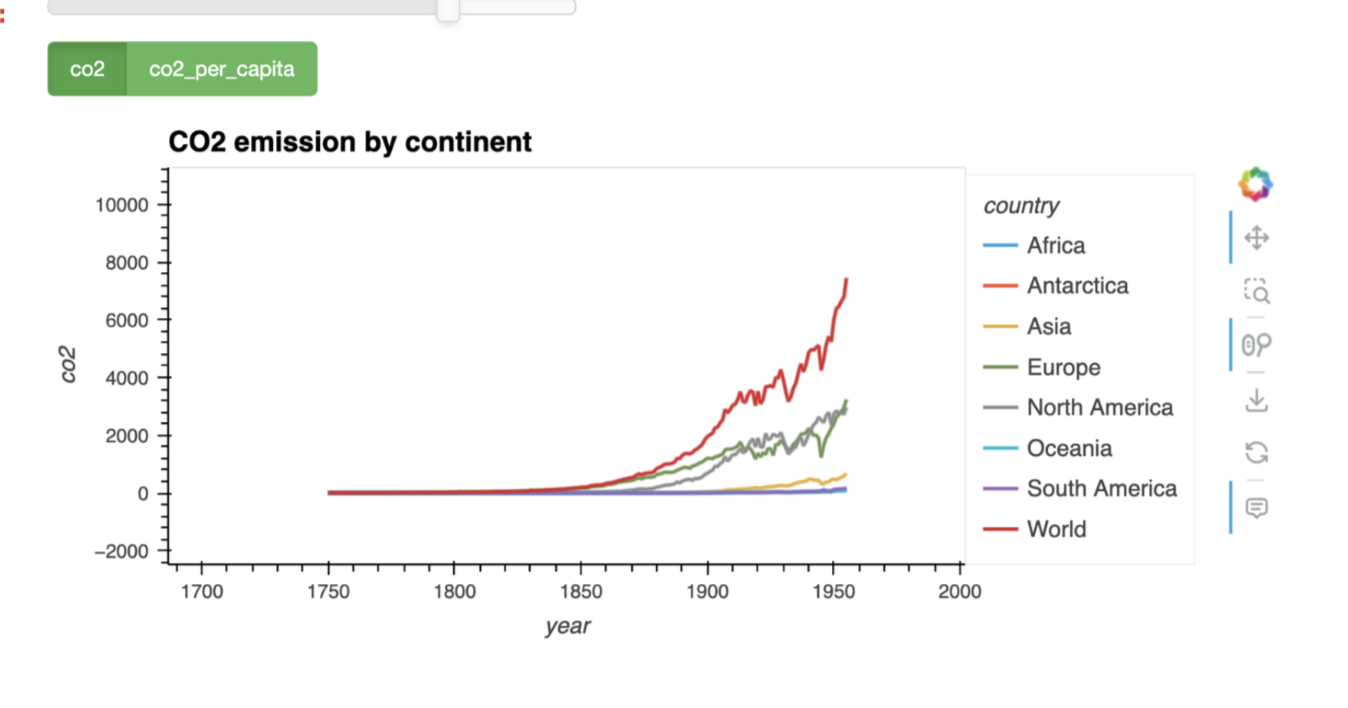
3. Trend Analysis: Evaluate how emissions and economic indicators have changed over time, identifying key periods of increase or decrease.
4. Comparative Analysis: Contrast emissions across different continents and economic classifications to highlight disparities and trends.
5. Statistical Modelling: Use regression models to predict emissions based on economic and population variables, and assess the impact of different sectors on the overall emissions.
6. Hypothesis Testing: Perform statistical tests to validate or refute assumptions about emissions trends and the effectiveness of environmental policies.
7. Visualization: Create interactive charts and graphs to illustrate findings and trends clearly.
8. Insights and Recommendations: Conclude with strategic insights into how different regions and economic levels contribute to global emissions and suggestions for policy directions.
Deliverables
- A detailed report including methodology, analyses, visualizations, and insights.
- An interactive dashboard presenting the key findings for stakeholders to explore.
- A presentation summarizing the high-level insights and recommendations for policymakers and environmental organizations.
Project Impact
This project will provide valuable insights into the historical relationship between economic growth and environmental impact, informing policymakers, researchers, and the public. It will help identify successful strategies in reducing emissions while maintaining economic growth and propose targeted actions for high-emission regions or sectors.
Ethical Considerations
The project will adhere to ethical standards by ensuring data privacy and responsible interpretation of data. It will also consider the socio-economic context when making recommendations, ensuring they are equitable and just.
Conclusion
By delving into this rich dataset, the project aims to contribute to the global conversation on sustainability and climate change, providing data-driven insights to support decisions for a greener future.